Home inspections are essential for anyone looking to buy or sell a home. It's an opportunity to get a detailed look at the property's condition, with trained professionals identifying potential problems that may not be immediately visible. One critical, but often overlooked part of this process is the sewer scope. A sewer scope is a thorough examination of a home's sewer line, carried out using specialized cameras and equipment. This inspection can reveal a variety of issues, from minor blockages to significant structural damage. Despite its importance, many homeowners and buyers are unaware of the benefits a sewer scope can offer. This article aims to shed light on what a sewer scope entails and why it is highly recommended for both new and older homes.
What is a Sewer Scope Inspection?
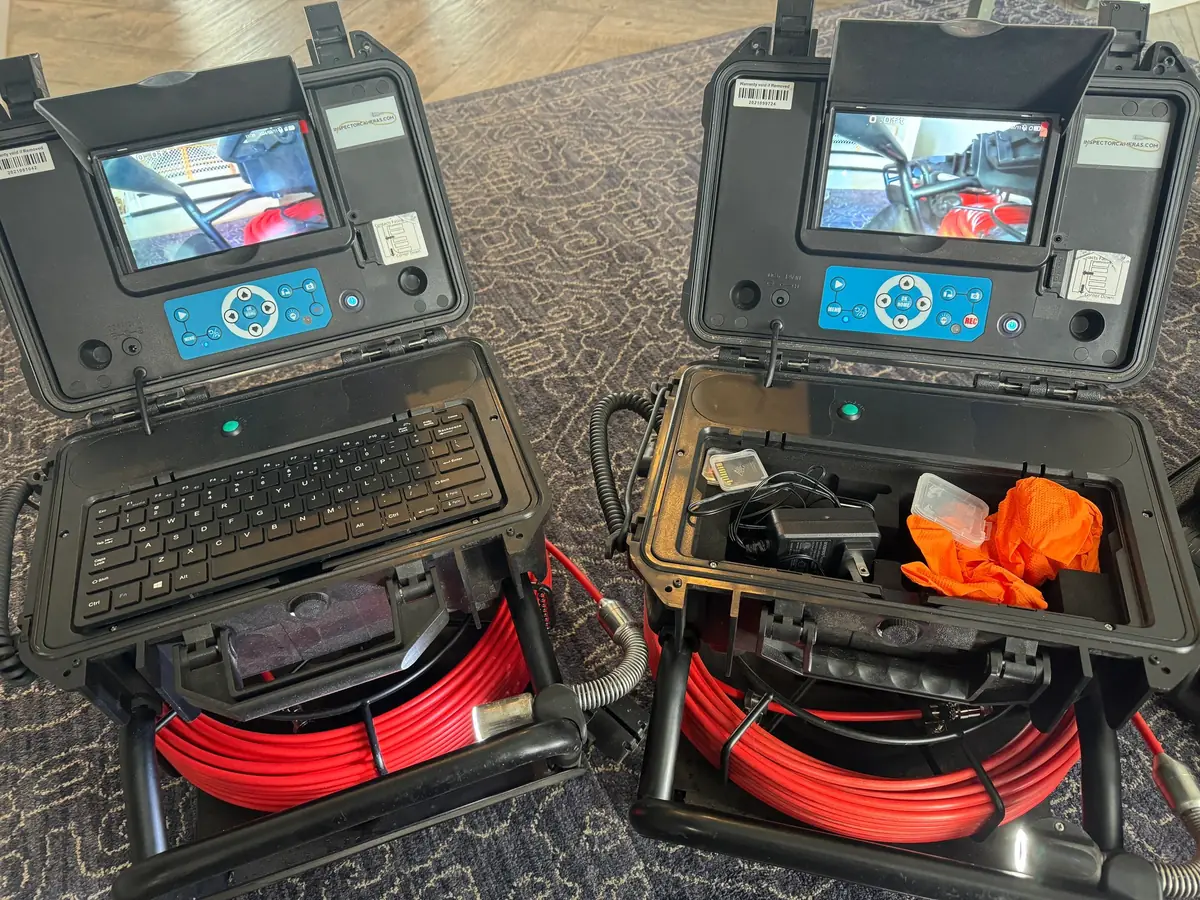
A sewer scope is a type of inspection that involves inserting a flexible rod with a high-resolution camera on its end into the sewer line running from the house to the city sewer or a septic tank. This camera allows the inspector to view the full length of the sewer line in real time, identifying any issues that may be present.
The procedure is non-invasive and typically takes a short while to complete. The images captured during the inspection provide a clear view of the sewer's condition, revealing any cracks, blockages, or other structural problems that could lead to costly repairs in the future.
Why is a Sewer Scope Inspection Important?
Whether you're dealing with a new or older home, a sewer scope inspection is a critical part of the home inspection process for several reasons:
- Early Detection of Potential Issues: A sewer scope can identify problems before they turn into significant, costly repairs. Blockages can lead to backups, while cracks or breaks can cause sewer line leaks. Early detection allows you to address these issues promptly, saving money and preventing potential damage to your property.
- Understanding the Property's Condition: A sewer scope gives a more accurate picture of a home's condition. This understanding can be beneficial for negotiating home prices or planning for future maintenance.
- Preventing Health Risks: Sewer backups can lead to unsanitary conditions, posing health risks to occupants. A thorough sewer scope inspection can help you prevent these situations.
Sewer Scope Inspection in New and Older Homes
While many people associate sewer scope inspections with older homes, they can be equally important for newer properties.
Older Homes: Older homes often have clay or cast iron sewer lines that can crack, collapse, or become invaded by tree roots over time. With a sewer scope inspection, you can identify these issues and make necessary repairs or replacements.
New Homes: For new homes, a sewer scope can help identify any construction defects or issues that may have occurred during the building process, such as improperly connected sewer lines, bellies, damage, or debris left in the pipes. These issues, if not addressed, can lead to significant problems down the line.
A sewer scope inspection is an invaluable tool in a comprehensive home inspection process. It provides a detailed look at a component of the home that is otherwise difficult to assess. By identifying potential issues in the sewer line, it gives homeowners, buyers, and sellers the information they need to make informed decisions about property maintenance and investment. Regardless of the age of the home, a sewer scope is a highly recommended step to ensure your peace of mind and protect your investment.