
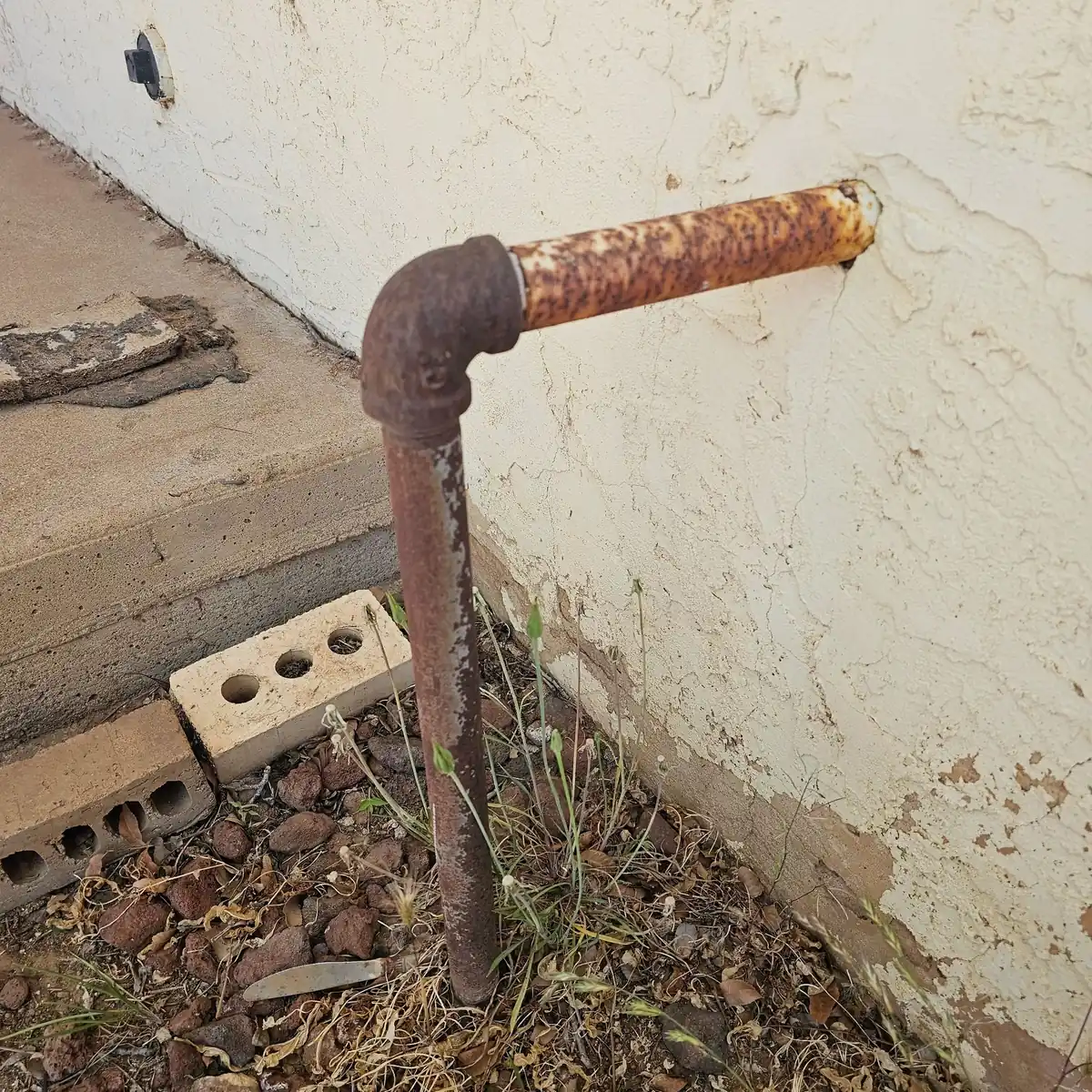
As homeowners, we often take for granted the vast network of pipes that deliver vital utilities like gas to our homes. When it comes to homes older than 30 years, understanding the infrastructure and materials used is particularly important. One common element in these homes is black iron pipes, widely used for gas supply due to their durability and heat resistance. However, when these pipes are installed below grade, some challenges arise.
Understanding the Problems with Black Iron Pipes Below Grade
Black iron pipes have been the industry standard for gas lines for many years. Despite their durability and heat resistance, they are not immune to the natural process of corrosion, especially when in contact with soil. Corrosion can lead to gas leaks, which pose significant safety risks, including potential fire hazards and health issues.
The rate of corrosion can be influenced by the soil's composition - acidic or alkaline soils are particularly corrosive. However, even in neutral soils, the presence of moisture can lead to rust over time. Given that most homes over 30 years old may have had black iron pipes installed below grade, it's important to be aware of these risks.
Identifying the Signs of Corrosion
Identifying signs of corrosion in black iron pipes installed below grade is not always straightforward due to their underground location. However, signs such as a distinct rotten egg smell (added to natural gas for detection), a hissing sound, dying vegetation over the gas line, or unusually high gas bills can all hint at potential leaks. If you notice any of these signs, it's essential to contact a professional immediately for a thorough inspection.
Modern Solutions for Below Grade Gas Pipes
If your home's gas lines need to be replaced or if you're considering a renovation that involves gas line installation, there are several modern, safer materials to consider. Plastic pipes, such as polyethylene, are often used for below-grade installations due to their corrosion resistance and flexibility.
Another robust solution is coated steel pipe. This material offers the strength of steel combined with the corrosion resistance of plastic. It's essentially a steel pipe covered with a layer of non-corrosive material, providing a durable and safer option for below-grade gas lines.
Final Thoughts
Living in an older home often comes with a unique set of challenges, and the black iron gas pipes installed below grade are no exception. It's crucial to understand these potential issues and act promptly if you suspect any problems. With the modern solutions available today, you can ensure the safety and longevity of your home's gas supply lines.
Always remember to consult with a professional and adhere to local regulations and codes when dealing with gas lines. In the United States, many areas follow the National Fuel Gas Code, which provides specific rules about what materials can be used for gas pipes and how they should be installed.
To all homeowners of houses older than 30 years, let's ensure we are aware, proactive, and responsible in maintaining our homes' safety and efficiency. We owe it to our homes and to ourselves.